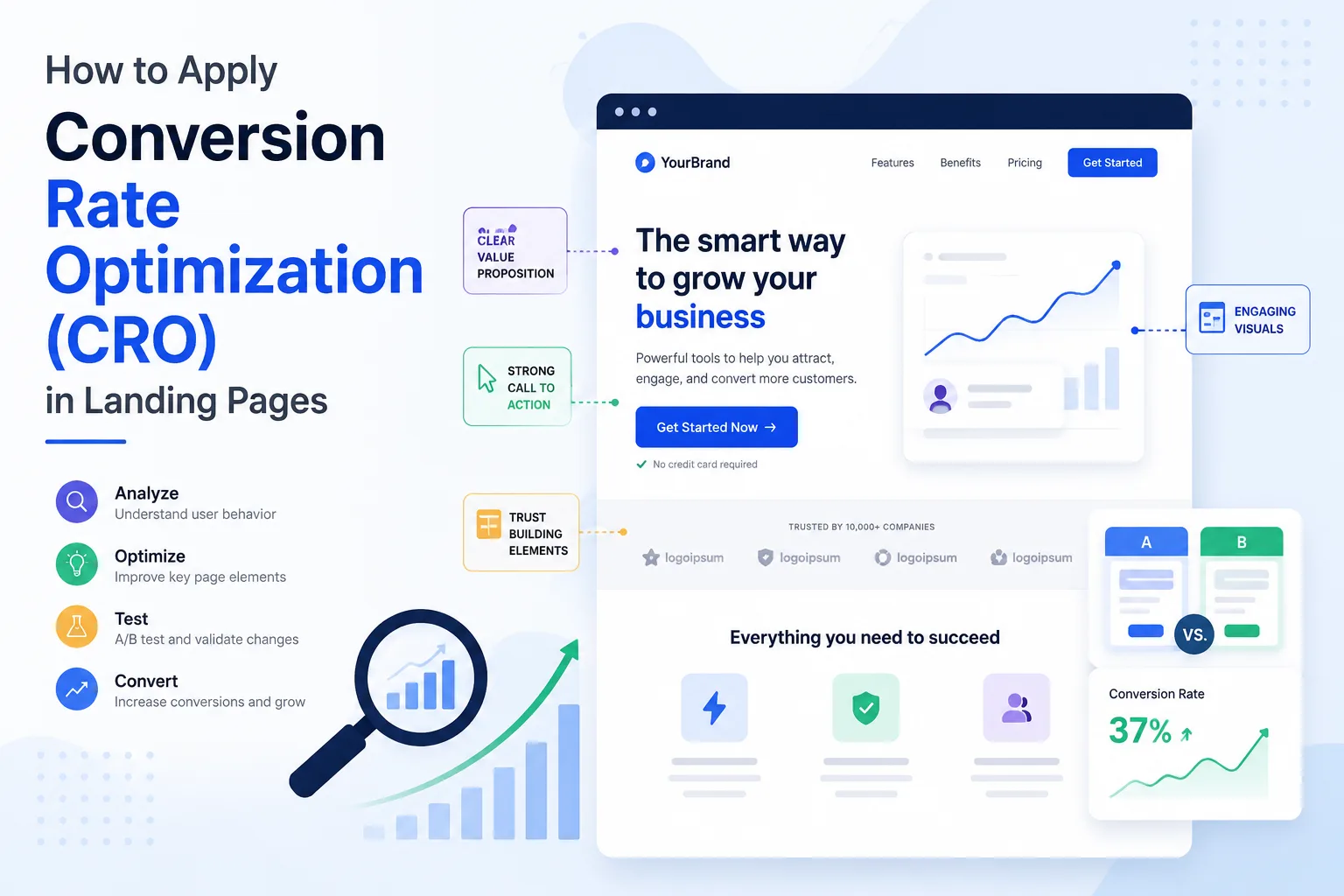
Driving traffic to your website is only half the battle. If visitors leave your landing page without taking action, you’re losing valuable opportunities. That’s where Conversion Rate Optimization (CRO) comes in.
A well-optimized landing page can significantly improve lead generation, increase sales, and maximize the return on your advertising investment. Whether you’re running Google Ads, Meta Ads, or SEO campaigns, CRO helps turn more visitors into customers.
What is (CRO)?
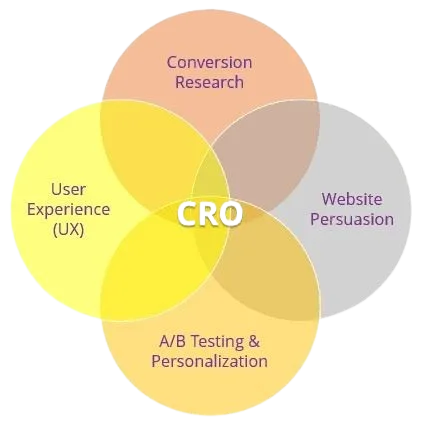
Conversion Rate Optimization (CRO) is the process of improving a website or landing page to increase the percentage of visitors who complete a desired action, such as filling out a contact form, making a purchase, downloading an eBook, or signing up for a newsletter. Instead of spending more money to attract additional traffic, CRO focuses on making the most of your existing visitors by enhancing user experience, improving page design, optimizing content, and reducing friction in the conversion process. By analyzing user behavior, testing different page elements, and making data-driven improvements, businesses can boost conversions, generate more qualified leads, increase sales, and achieve a higher return on their marketing investment.
Proven CRO Techniques for Landing Pages
Write a Powerful Headline
Your headline is the first thing visitors notice when they land on your page, making it one of the most important elements of conversion rate optimization (CRO). Research shows that users often decide within the first few seconds whether to continue exploring or leave the page. A generic headline like “Welcome to Our Website” doesn’t communicate value or encourage action. Instead, use a clear, benefit-driven headline such as “Learn Digital Marketing with Live Projects & 100% Practical Training.” This immediately tells visitors what you offer, who the course is designed for, and why it stands out from competitors.

A high-converting headline should answer three key questions: What do you offer? Who is it for? Why should visitors choose you? Keep it simple, specific, and focused on the user’s needs rather than your business. Avoid jargon or vague statements. Pair your headline with a supporting subheadline that highlights your unique selling proposition (USP), such as industry certifications, expert trainers, or guaranteed placement assistance. A strong headline grabs attention, builds interest, and motivates visitors to take the next step, significantly improving your landing page’s conversion rate.
Use One Clear Call-to-Action (CTA)
A Call-to-Action (CTA) is the button or link that encourages visitors to take the next step on your landing page. One of the biggest mistakes businesses make is using multiple CTAs, such as “Contact Us,” “Learn More,” “Subscribe,” and “Read More,” on the same page. When visitors are presented with too many choices, they often become confused and leave without taking any action. Instead, every landing page should have one primary goal and one clear CTA, whether it’s “Enroll Now,” “Get a Free Consultation,” “Download Our Free Guide,” or “Book a Demo.”
Your CTA should be visually prominent by using a contrasting button color, enough white space, and action-oriented text that creates urgency or highlights value. Place the CTA above the fold and repeat it strategically throughout the page so visitors don’t have to scroll back. Keep the wording short, specific, and benefit-focused. A clear, compelling CTA reduces decision fatigue, improves user experience, and significantly increases the chances of converting visitors into leads or customers.
Improve Page Speed
Page speed is a critical factor in both Conversion Rate Optimization (CRO) and Search Engine Optimization (SEO). Modern users expect a website to load within a few seconds, and even a slight delay can cause frustration and increase bounce rates. If your landing page takes too long to load, visitors may leave before reading your content or clicking your Call-to-Action (CTA), resulting in lost leads and sales. A fast-loading page creates a smoother user experience, builds trust, and encourages visitors to stay longer and complete the desired action.
To improve page speed, optimize image sizes by using modern formats like WebP, compress CSS and JavaScript files, enable browser caching, and use a Content Delivery Network (CDN) to deliver content faster. Remove unnecessary plugins, eliminate unused code, and choose a reliable web hosting provider with good server performance. You should also regularly test your landing page using tools such as Google PageSpeed Insights, GTmetrix, or Lighthouse to identify performance issues. Aim for a page load time of under three seconds, especially on mobile devices, as a faster website not only improves user satisfaction but also increases conversions and maximizes the return on your digital marketing campaigns.
Use High-Quality Visuals
High-quality visuals play a crucial role in capturing visitors’ attention and improving the overall effectiveness of a landing page. People process images much faster than text, so the right visuals can instantly communicate your message and build trust. Instead of using generic stock photos, include authentic images that represent your brand, such as product photos, team members, office environments, customer success stories, or screenshots of your services. If you’re promoting a digital marketing course, showcase classroom sessions, live projects, certifications, or student testimonials to make your offer more credible.
Videos can also significantly improve engagement by explaining your product or service in a simple and engaging way. A short demo video, customer testimonial, or product walkthrough can answer common questions and encourage visitors to take action. Ensure all images are high resolution, optimized for fast loading, and responsive across all devices. Well-designed visuals combined with compelling content create a professional first impression, increase user confidence, and help guide visitors toward completing your desired conversion, whether it’s submitting a form, booking a consultation, or making a purchase.
Run A/B Tests
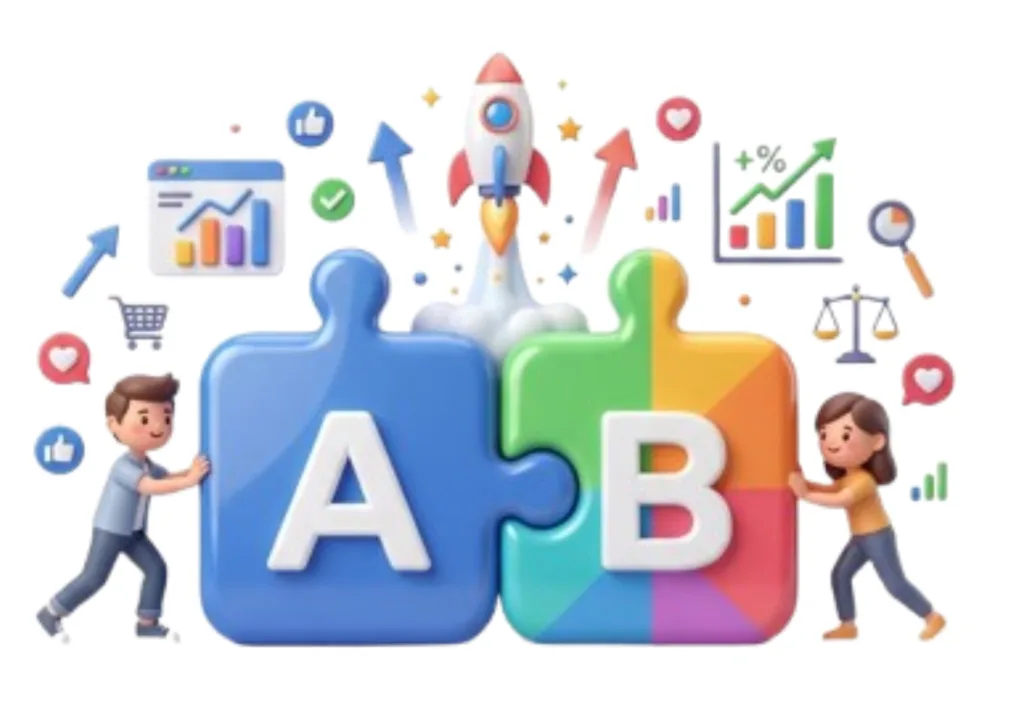
A/B testing, also known as split testing, is one of the most effective Conversion Rate Optimization (CRO) techniques for improving landing page performance. Instead of relying on assumptions about what works best, A/B testing allows you to compare two versions of the same landing page to determine which one generates more conversions. For example, you can test different headlines, CTA button colors, images, form lengths, page layouts, or pricing sections. Half of your visitors see Version A, while the other half see Version B, and the version with the higher conversion rate becomes the winner.
When conducting A/B tests, focus on testing one element at a time so you can accurately measure its impact. Running multiple changes simultaneously makes it difficult to identify what influenced the results. Use tools like Google Optimize alternatives (VWO, Optimizely), Microsoft Clarity, or Hotjar to analyze user behavior and gather insights. Even small improvements—such as changing a headline or simplifying a CTA—can lead to significant increases in conversions over time. Continuous testing helps businesses make data-driven decisions, improve user experience, and maximize the return on their marketing campaigns without increasing advertising costs.
Final Insights
A visually appealing landing page alone is not enough to generate leads or sales. The true success of a landing page depends on how effectively it guides visitors toward taking a desired action. By understanding your audience’s needs, eliminating unnecessary distractions, and creating a seamless user experience, you can significantly improve your conversion rate. Implementing proven CRO strategies—such as writing compelling headlines, using a single clear call-to-action, reducing form fields, improving page speed, adding trust signals, and conducting regular A/B tests—helps maximize the value of your existing traffic. Since customer behavior and market trends continue to evolve, Conversion Rate Optimization should be viewed as an ongoing process. Continuously analyze user data, test new ideas, and refine your landing pages to achieve sustainable growth, higher conversions, and a better return on your digital marketing investment.